Thinking about a spa cure in Gréoux-les-Bains? You've come to the right place. France's third-largest spa town, Gréoux welcomes nearly 35,000 spa-goers each year, who come to ease their rheumatism or respiratory complaints in its warm sulphur waters. And these waters are nothing new: the Romans were already using them in the first century BC.
This guide gathers everything to know before you set off: the treatments on offer, the paperwork, the lead times to anticipate, the real cost and the good addresses on the ground. It was written from Gréoux, 500 metres from the Thermes, by a family who have welcomed spa-goers for over fifty years at the Clos des Oliviers residence.
The Thermes de Gréoux in brief
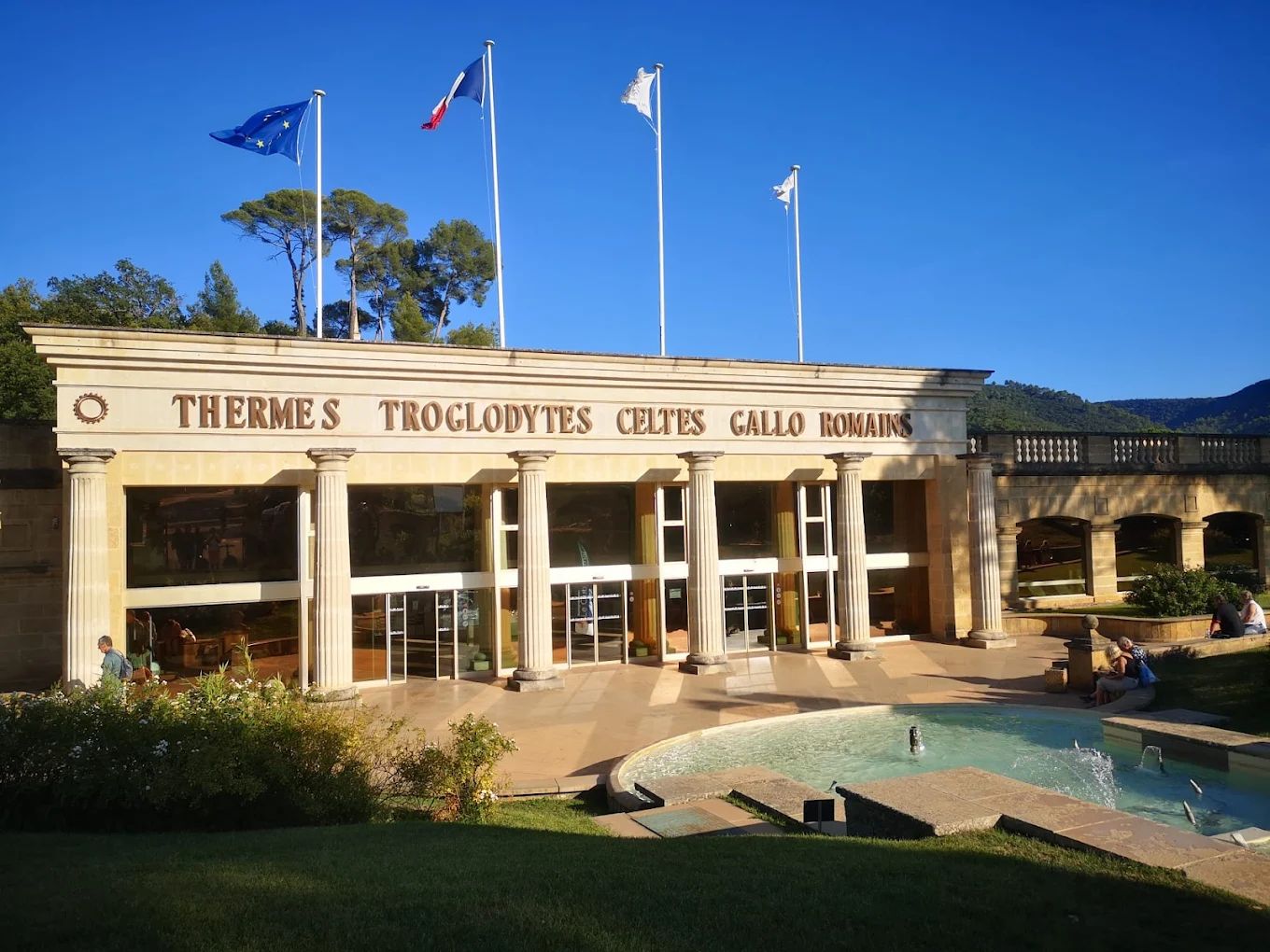
An exceptional water, rising at 42 °C
Gréoux's thermal waters rise from over 1,200 metres deep, at a natural temperature of 42 °C. Rich in sulphur, calcium and magnesium, they are particularly high in sulphur — known for its pain-relieving and anti-inflammatory properties — and in magnesium, which works on muscle suppleness and cartilage regeneration.
This makeup explains why the spa specialises in two therapeutic fields: rheumatology (RH) and the respiratory tract (VR). A third, specific cure dedicated to post-breast-cancer rehabilitation rounds out the offering. The Thermes also offer the dual RH+VR orientation, especially useful when you have both types of condition — common among spa-goers over sixty.
A contemporary 20,000 m² facility
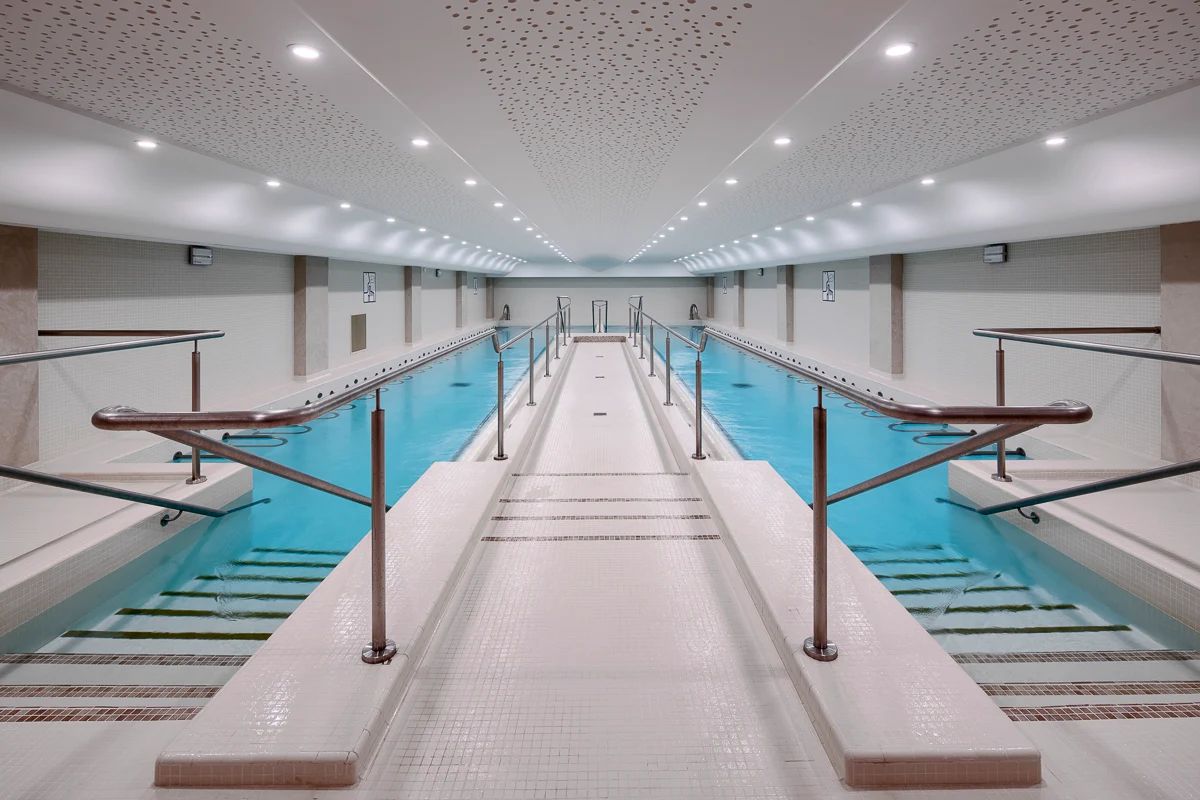
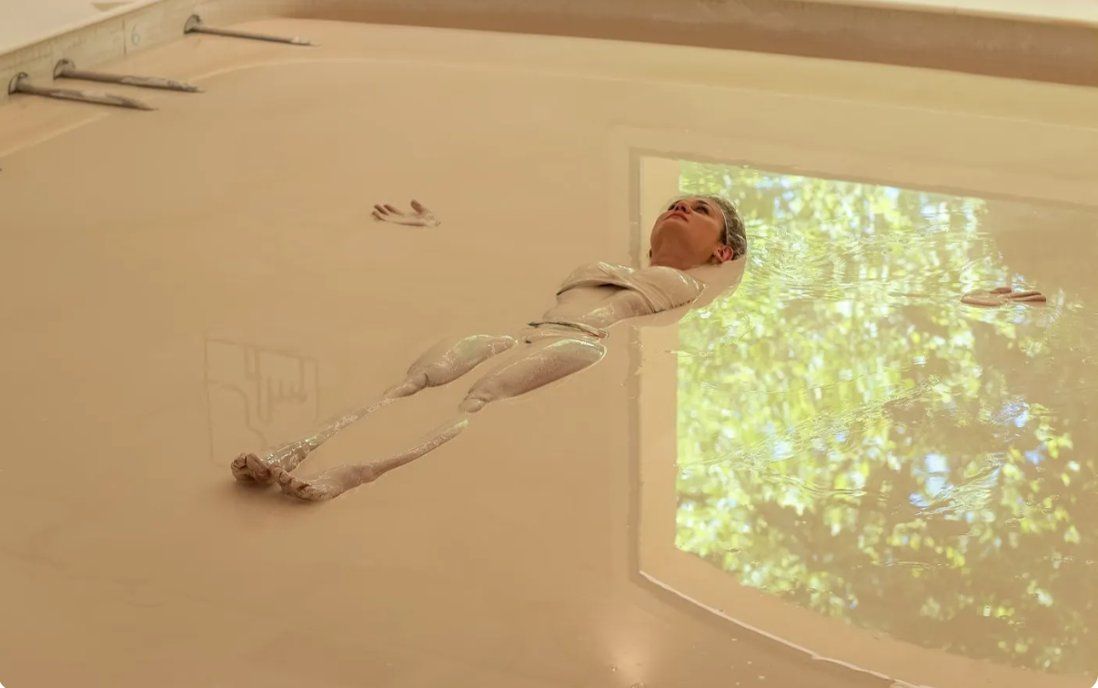
The Thermes occupy a vast Gallo-Roman-inspired building of around 20,000 m², over two levels served by a lift. Four thermal pools, individual treatment cabins and exclusive facilities — such as the famous weightless kaolin bath — welcome spa-goers from Monday to Saturday.
The treatments are run by the Chaîne Thermale du Soleil, France's leading spa group.
The 2026 calendar
The facility is open from 3 March to 5 December 2026. It closes on Sundays and on public holidays, with rare exceptions. For 2027 and beyond, the exact dates are announced by the Thermes each autumn.
How to get your cure prescribed and reimbursed

Step 1: the medical prescription
It all starts with your doctor. Only your GP or a specialist can prescribe a state-covered spa cure. They give you a specific form, the coverage questionnaire, stating the orientation (rheumatology, respiratory tract, or both) and the spa town chosen.
The choice of spa town is partly yours: your doctor approves one that treats your condition, but you don't have to go to the nearest. One caveat, though: if you choose a town further away than another offering the same treatments, the Assurance Maladie (French health insurance) will reimburse your travel based on the nearest one, not the one you actually picked.
Step 2: the application to your health insurance fund
You then send this form, together with an income declaration, to your local health insurance fund (CPAM). A reply usually takes two to three weeks. Once approved, the CPAM returns a document titled “Administrative coverage of a spa cure and billing”, made up of three sections:
- Section 1 — Medical fees: to hand to the spa doctor on site
- Section 2 — Thermal treatment package: to hand to the Thermes on day one, so charges are billed directly
- Section 3 — Travel and accommodation costs: to return to the CPAM at the end of the cure, if your income qualifies
Step 3: booking
You can then book your cure directly with the Thermes de Gréoux, via their official website or booking line.
Don't forget, alongside this, to book your accommodation. In the busy months the best places go six to nine months ahead. If you're aiming for May or September, it's best to start the autumn before.
Step 4: the appointment with the spa doctor
Before treatments begin you must see a spa doctor at the resort — this is compulsory. They approve your treatment programme based on your condition. They also see you again midway and at the end of the cure, and may prescribe additional treatments (massages, respiratory therapy) on top of the thermal package.
What does a spa cure really cost?
It's the most frequent question. There's no single figure, but here's an honest ballpark.
The total cost of an 18-day cure
For a state-covered rheumatology cure, allow on average €1,500 to €2,000 all-in in 2026, excluding accommodation and meals.
This breaks down as follows:
- Thermal package (the treatments themselves): about €510–650 for rheumatology
- Spa doctor's fee: around €80
- Price supplement (regulated, depending on the resort): about €50
- Travel costs: depending on distance
- Accommodation: three weeks, mostly at your own expense
What the health service reimburses
The Assurance Maladie covers 65% of the thermal treatments on the basis of the regulated flat rate, and 70% of the medical-supervision package. In practice, on a rheumatology cure with around €575 of treatments, the state refunds about €375.
If you have a long-term condition (ALD), coverage rises to 100% on treatments and the supervision package, but it doesn't cover price supplements or comfort treatments.
Travel and accommodation: subject to means-testing
Travel and accommodation costs are reimbursed only if your income is below the annual ceiling set each year. In 2026 that ceiling is €48,060 for a single person, raised by 50% per household member (spouse, dependent child).
If you qualify:
- Travel: 65% of the 2nd-class return rail fare
- Accommodation: a flat €150.01, reimbursed at 65% (i.e. €97.50 over the three weeks)
Let's be clear: that's little against the real cost of three weeks' accommodation. Most spa-goers pay for their lodging out of pocket, and it's a line to budget for carefully.
The role of your top-up insurance
This is where your top-up health insurance (mutuelle) can make a real difference. Many offer an annual spa-cure allowance — often €100 to €400 depending on the policy — which can cover the patient's share, the price supplement, even part of the accommodation. Check your policy or call your adviser before you go: it's a step many spa-goers overlook, and it can save several hundred euros.
When to come for a cure: seasons and advice
With the Thermes de Gréoux open nine months out of twelve, you have a choice. But depending on what you're after, some periods suit far better than others.
March to May: gentle spring
One of the best times. The Thermes have just reopened, the crowds stay manageable, temperatures are pleasant (15–22 °C on average), and nature is waking up. Almond blossom, then irises, then the first lavender line the surrounding countryside. As for lodging, availability is still good if you book a few months ahead.
June to August: the Provençal summer
The brightest period, but also the hottest. Gréoux can reach 35 °C on July–August afternoons. It's also peak tourist season, with night markets, festivals and events all over the village. Good news for sleep: at 365 metres altitude, the nights stay cool thanks to the air coming down from the Verdon, and the traditional Provençal trick — shutters closed by day, flung open in the evening — works wonders in well-designed old buildings.
September to November: the late season
The other ideal period, and probably the favourite of regular spa-goers. The heat eases, the light turns golden, and the Valensole plateau still has a few late lavender fields. The Thermes stay busy but the mood is calmer than in summer. September is often seen as the perfect month for a cure in Gréoux.
November to early December: the end of season
The quietest period, sometimes the cheapest for accommodation. The days are shorter, but the Provençal sun stays generous — Gréoux enjoys over 300 days of sunshine a year. Ideal if you want absolute calm and don't mind the cool.
Choosing the right accommodation in Gréoux
It's an often-underestimated point: three weeks of cure means three weeks living somewhere. And a poor place can turn a restorative cure into an ordeal. Here's what really matters.
Distance to the Thermes: on foot or by car?
Gréoux is a small village (around 2,500 inhabitants). Many spa-goers' lodgings lie within a kilometre of the Thermes, but the real walking distance varies hugely. Depending on your therapy — especially rheumatology — walking 1 km morning and evening with joint pain can quickly become a trial.
Lodgings within 500 metres of the Thermes are the most sought-after: a few minutes on foot, no shuttle, no stress. Places in the village centre (800 m to 1 km) are closer to the shops but further from the treatments.
A fitted kitchen: essential
You'll be living there for three weeks. Unless you love eating out three times a day for 21 days, a fitted kitchen isn't optional. Check for: a hob, oven or microwave, a decent fridge, a dishwasher if possible, and above all enough crockery to eat properly. Gréoux's Thursday-morning market is a real joy when you can cook what you buy there.
The other things that really count
- Natural coolness: in Gréoux, the altitude (365 m) and the cooling nights mean you can sleep well even in high summer in a well-oriented home. Favour leafy residences, old stone buildings (high thermal inertia) and dual-aspect flats that allow real cross-ventilation. Air conditioning can be a plus, but it isn't essential when the place is well designed.
- Quiet: you're recovering from a day of treatments and need silence. Avoid places facing a busy street or a late-night bar.
- Linen: are sheets and towels provided, or to bring? Is cleaning offered during the stay? These details shape daily life.
- Parking: Gréoux is lucky to have free parking throughout the village, including near the Thermes. But if you come by car, check that a space is reserved for you at your accommodation.
- Wi-Fi: to stay in touch with family, watch TV on a tablet, or simply plan your afternoon outings.
- On-site reception: having someone to talk to if something goes wrong (a temperamental water heater, a blown bulb, advice on a doctor) makes a real difference compared with fully self-service rentals.
Hotel, residence or rental?
- Hotels (3- or 4-star in Gréoux): convenient and comfortable, but without a kitchen, and quickly very expensive over 3 weeks.
- Furnished tourism residences: the right compromise for a cure. You get the independence of a rental, the comfort of a fitted kitchen, and often a personal welcome. It's the option most spa-goers choose.
- Independent rentals (Airbnb, private owners): very variable quality — choose carefully and with plenty of reviews.
Coming for a cure with your pet
More and more spa-goers travel with their dog or cat — for many, their pet is part of daily life and well-being, especially on long stays like a cure. Not every residence accepts them: check this at the time of booking to avoid nasty surprises.
Where possible, choose a ground-floor unit with direct access to an outdoor space (garden, terrace): your companion can pop out easily, and you avoid going up and down stairs several times a day after your treatments.
Practical life in Gréoux-les-Bains
Gréoux is a genuine, lived-in village, not just a spa resort. Here's what to know to live your three weeks comfortably.
Everyday shops
All the essential shops are in the village: bakeries, supermarket, pharmacy, newsagent, optician, banks, cash machines. You'll also find Provençal products (olive oil, honey, lavender, soaps), wines and local specialities. The village centre is pedestrianised and a pleasure to wander.
The Thursday-morning market
It's the weekly event not to miss, all year round, from 8am to noon. Local growers, cheeses, fruit and vegetables from the plateau, charcuterie, honeys, artisan soaps, Provençal fabrics. Spa-goers make a habit of it — it's also a chance to meet other spa-goers and locals. A smaller producers' market is also held on Tuesday mornings.
Pharmacies and medical services
Several pharmacies operate in the village. For a GP other than the spa doctor, there's a multi-practitioner surgery in Gréoux itself. The nearest hospital A&E is in Manosque (15 km), about 20 minutes by car.
Getting around Gréoux and beyond
- On foot: the whole centre, the Thermes and the main shops are within walking distance.
- By car: essential if you want to explore the area between treatments. Parking is free throughout the village.
- Spa shuttles: three shuttles run during the day between certain points of the village and the Thermes (details at the tourist office).
- Bus from Marseille: a direct service links Saint-Charles station to Gréoux in about 1 hr 30. A simple option if you come without a car.
- Train: no station in Gréoux. The nearest is Manosque (15 km), served by regional trains from Marseille and Aix-en-Provence.
What to do during and after treatments?
A cure day rarely involves more than one to two hours of treatments, usually in the morning. Afternoons are free — and that's where the magic happens: Gréoux is surrounded by some of the finest landscapes in Provence.
In the village
The listed Templar castle hosts exhibitions from March to November. The old lanes, fountains, wash-houses and medieval ramparts are best discovered on foot over a quiet afternoon. Parc Morelon offers shaded green spaces, perfect for reading or a nap after treatments. Gréoux also has a casino and the Ecociné Verdon cinema, a legacy of its spa-town tradition.
20 minutes away: the gems
- Lake Esparron-de-Verdon: turquoise water, equipped beaches, pedalo and canoe hire. A perfect half-day to swim and lunch on the shore.
- The Valensole plateau: world-famous for its lavender fields. In bloom from mid-June to mid-July. The rest of the year you'll pass almond orchards (March), wheat, and a magnificent calm.
- Manosque: Jean Giono's town, medieval lanes, the Saunerie gate, markets.
45 minutes to 1 hour: the grand spectacle
- The Verdon Gorges: THE must-see. The grand canyon runs for 21 km, with cliffs up to 700 metres. Discover it by car along the Route des Crêtes (Point Sublime), on foot via the Blanc-Martel trail, or from the water by electric pedalo on Lake Sainte-Croix.
- Lake Sainte-Croix: turquoise water, beaches, swimming, kayaking. The gateway to the canyon from the water.
- Moustiers-Sainte-Marie: one of the “most beautiful villages of France”, famed for its faience and the star suspended between two cliffs.
- The Saint-Michel-l'Observatoire observatory: under an hour away, stargazing evenings under a remarkably unspoilt sky.
- Aix-en-Provence: 55 km away, a classic for a day of shopping or culture.
FAQ — your most frequent questions
Does a spa cure really last 21 days?
The state-covered cure involves 18 days of actual treatments. As the Thermes close on Sundays, this works out to a three-calendar-week stay. You usually arrive on the Saturday or Sunday and leave on the Saturday of the third week.
Can the cure be split into two?
No — the Assurance Maladie allows only one state-covered cure per person per year, and it must be done continuously (barring interruption for medical reasons). A cure broken off for personal convenience is not reimbursed.
Can you bring a companion?
Of course, and many spa-goers do. A companion needs no prescription. Just check capacity with your accommodation. The companion's travel costs may even be covered by the health service under specific conditions (the spa-goer's health making support necessary, plus means-testing).
Do you need to bring anything for the treatments?
The Thermes provide the bathrobes, bath sheets and flip-flops needed for treatments. You should bring a swimsuit, a swimming cap (sometimes compulsory), and a change of clothes. A personal wash bag is recommended.
Can my children come with me?
Yes — Gréoux is very family-friendly. Children can of course accompany a parent on a cure. Note too that a spa cure can be prescribed for a child from a very young age if a condition warrants it (asthma, eczema, etc.).
What if I have to interrupt my cure?
A cure cut short for medical reasons or force majeure may give rise to a proportional refund. For any other reason, no refund is granted. If you've paid a deposit on your accommodation, read the refund terms carefully before booking.
What if you fall ill during the cure?
The resort's spa doctor is your first point of contact. They can adapt the treatment programme, prescribe medical rest, or refer you to a Gréoux GP if needed.
Mini-cure or non-prescribed cure: is it worth it?
The Thermes also offer 6-day mini-cures (rheumatology or respiratory), with no compulsory prescription — so not reimbursed by the health service. A good option if you don't have three weeks to spare, or want to try before committing to a full state-covered cure. Expect about 4 to 8 treatments a day.
In short
Taking your cure in Gréoux-les-Bains means combining:
- An exceptional water rising at 42 °C, rich in sulphur and magnesium
- A specialised spa in rheumatology and the respiratory tract (35,000 spa-goers/year)
- A unique setting between the Verdon, Valensole and Provence
- A manageable budget thanks to health-service and top-up insurance coverage
- Three weeks to truly unwind — and come back in better shape
The most important thing is to prepare your stay well: get the prescription in time, choose accommodation suited to your needs, and book early for the best periods.
Plan your stay at Le Clos des Oliviers
Our family has welcomed spa-goers to Gréoux-les-Bains for over fifty years. Le Clos des Oliviers is a residence of twelve units (eleven studios and one two-bedroom apartment) in a quiet, leafy setting, 500 metres from the Thermes, with free parking, fitted kitchens and on-site reception.
Whether you're planning a cure or simply have questions, don't hesitate to get in touch — we know Gréoux well and will be glad to point you in the right direction, even beyond your accommodation.
📍 Address: 776 avenue des Thermes, 04800 Gréoux-les-Bains
📞 Phone: +33 4 92 70 62 00
✉️ Email: info@leclosdesoliviers.fr